
Issue 7
Image
Abstract digital background with binary code, sound wave, and glowing data charts.
Mediated Voices
2010

"Material conditions of writing have always delimited both the process and product of writing, so 'writing' has held drastically different meanings over time, from paintings on cave walls to inscriptions on waxen tablets to intangible letters and symbols on computer screens."

—Kim Hensley Owens, "'Look Ma, No Hands!' Voice-Recognition Software, Writing, and Ancient Rhetoric"
Getty Images For Unsplash+

Articles

Kim Hensley Owens
Material conditions of writing have always delimited both the process and product of writing, so "writing" has held drastically different meanings over time, from paintings on cave walls to inscriptions on waxen tablets to intangible letters and symbols on computer screens. Each incarnation of writing possesses at least two common elements: the desire to communicate and the use of human hands. This paper, however, has been completed, by medical necessity, almost entirely without my hands.
Adam Koehler
In this essay, I imagine the aesthetic possibilities of such a of music and rhetoric – and how it can help rhetoric and composition imagine a new relationship with creative writing. I aim toward an understanding of such a mode of production by exploring “craft criticism” in terms of digital (multi-modal) rhetoric.
Sandie Friedman
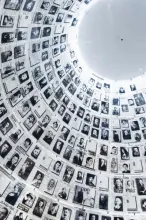
In this article, I propose a new approach for teaching the subject of the Holocaust to novice college students. This begins with encouraging students to take a stance of not-knowing. At the same time, I argue that it is important to maintain students' interests in the field by enabling a “paradigm shift” in their attitudes towards academic writing.
Megan Condis, Sarah Alexander
In this paper, we offer a list of teaching materials to engage students with different taboo topics, from cultural practices surrounding food to the history of racial and sexual slurs to the process of menstruation. We discuss the advantages of teaching such topics in the context of composition classrooms.