Issue Archives
“If circulation is material, which physical entity causes an idea to disseminate through a crowd, or a way of thinking to inhabit the minds of millions?"
“We can choose to not situate ethos as shaped only from the glorious, virtuous, positive statements of rhetors talking about themselves in respectful terms but from what audiences are willing to swallow, not merely from norms that they are eager to praise.”
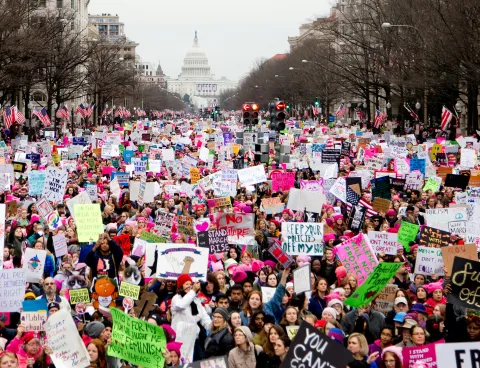
"Dominant cultural narratives embedded with white supremacist ideologies have always created their own truths that privilege white hegemonic power structures and the status quo."

"Given that species decline is happening at such an advanced rate, it is crucial that we work to think differently about the singular autonomy of human agency and the reliability of a human-centered rhetoric."

"As a critical spatial method-methodology, chora/graphy in this particular case seeks to expose the effects of whitesplained histories and to collaboratively redress those wrongs to reclaim those histories that have been erased by dominant white culture."
"Writing instructors should introduce students to self-expression as a politically and socially liberatory act and as a counteragent to the dominant professional rhetoric of obedience and efficiency."
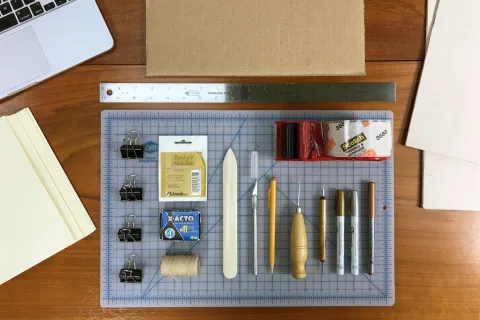
"In the spirit of contesting . . . monetized articulations of the maker movement, this issue looks to hacker and electronic art practices as work that can be done both within and without makerspaces—in acts that resist the constant pressure for innovation, commodification, and planned obsolescence."

"In concert with a new materialist turn across the humanities, theorists loosely gathered under the heading of rhetorical new materialisms have come to understand rhetoric as emplaced, embedded, and entangled: as an affectability, persuadability, or capacity for attunement to the world and its everyday activities."
"The gift of freedom can contradictorily signal acceptance, debt, and retribution."
"The Anthropocene demands that I account for Homo sapiens and the earth, that we recognize that between Homo sapiens and the earth there is an I, that between ourselves the earth is never simply in-agential ground, but that it is between and beside us."
"Rhetoricians must pay attention to the way transnational, non-state actors mediate, repurpose, disseminate, and circulate cultural memories that have been rendered portable and malleable to fulfill specific economic and sociopolitical agendas."
"Technocapitalist disability rhetoric at its most extreme makes invisible the difficult and ongoing goals of the Disability Rights Movement—to fight against discrimination, promote self-determination for disabled people, and to end ableism."
"The boundaries and divisions within digital rhetoric are many. But they are also porous, constitutive, and inventive."
"We need to hear things differently, and we need to reframe our rhetorical theories to make way for these voices that speak without us."
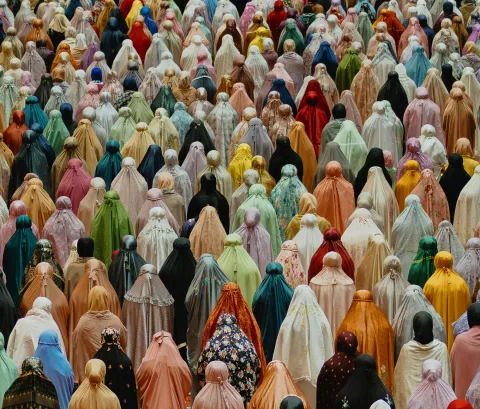
"More than anything, cultural rhetorics is a practice, and more specifically an embodied practice, that demands much from the scholars who engage in it."
"The shot fake as a gesture requires imagination of possible futures to be used effectively. To fully understand how the shot fake rhetorically functions, we cannot think of gesture as merely an unimaginative part of a delivery or as secondary to voice or oral language. Gestures like the shot fake are inventive, arranged, even stylized; they are creative rhetorical acts in their own right."

"Lived events generate affective spontaneity and proprioception of one's body in collective action with other bodies for the purposes of producing political and social art."
"The voice is no longer a medium for conveying language, but rather an unutterability suited to clothing itself in language—always carrying a material excess."
"We fail to consider how some bodies arrive at and belong in spaces where certain kinds of theory matter. We fail to imagine how the world unfolds for bodies unlike our own."
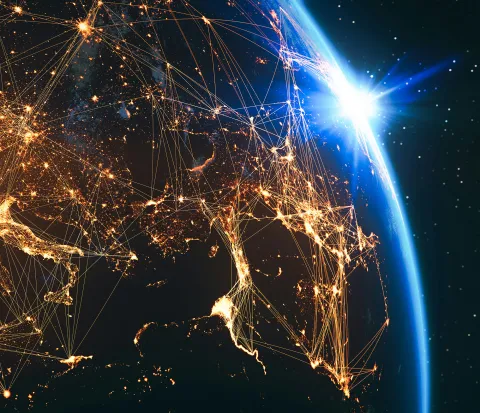
"Our field has a long tradition of resisting monolithic canons by opening up scholarly research to include previously ignored texts, systems, and subjects—'basic' writers, feminist and non-Western rhetors, community literacy initiatives."
"Each kind of representation commits users to a particular awareness of location as a context for rhetorical action that is accomplished through the concatenation of multiple streams of information, often across applications."
"When as scholars we push the limits of what composing can be, we find new ways to construct our stories and experiences with the many forms of media available to us: sound, video, code, and light, to name just some . . ."
"It is more radical, more democratic, and more difficult, to teach a course where students choose their own topics, choose their own voices, and work out the meaning of their experiences for themselves, whether through personal writing or research, than it is to teach a course where students are regarded as cultural dupes who must be enlightened about their oppression."
"The depth and breadth of McLuhan’s work . . . offers gems, garbage, and often traces of something useful for understanding games, language, literature, (new) media, rhetoric, technology, teaching, or writing in the electric, digital age."
"Oh, there's one more thing I'd have cut into my mashup, the scenes from Kubrick's 2001 where we're revealed as just violent apes using the bones of the dead for our tools."
"When faced with movement away from home spaces, a conflict of identity ensues, where conceptions of home must be renegotiated"
"By resisting the inducement to stabilize our professionalize identities, we as readers also have a means to develop strategies for building temporary alliances with colleagues in and beyond our field"

"In less than five years, YouTube has become not just a major hub of participatory culture, but also a model of interaction for participating in culture that is active, engaged, complex, and generative—in other words, deeply rhetorical.
"Material conditions of writing have always delimited both the process and product of writing, so 'writing' has held drastically different meanings over time, from paintings on cave walls to inscriptions on waxen tablets to intangible letters and symbols on computer screens."
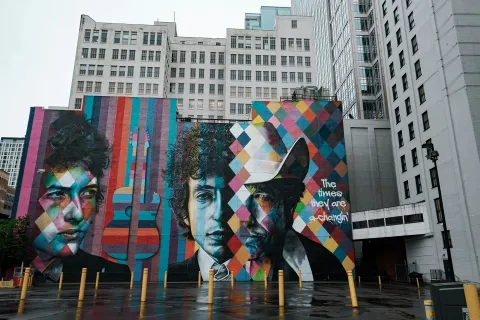
"We consider rhetoric the art of discerning and deploying the available contingent means of constructing, maintaining, and transforming social reality in a particular context."
"How do we actively forge collectivities through the rhetorics of the everyday friendship, spaces of participatory conviviality, across borders that are local, military, policed, facilitated, and managed?"
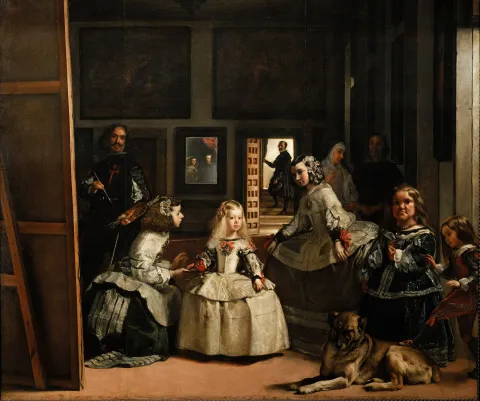
"Even if rhetoric is the art of never finally answering the question, "What is rhetoric?" this art would necessarily include all attempts to finally answer that question."
"I have been hailed by a slash, called into these questions (How has the slash between rhet/comp come to be and to mean? Will the slash between rhet/comp persist?) by a virgule, a solidus, a dia/critical mark (of sorts)."

"Many people in our discipline of rhetoric and composition, and even English studies generally, will be hurt by the slow pace of institutional reform when it comes to acknowledging the scholarly and intellectual work we do."